How to Animate a Photo With AI and Bring a Family Picture to Life
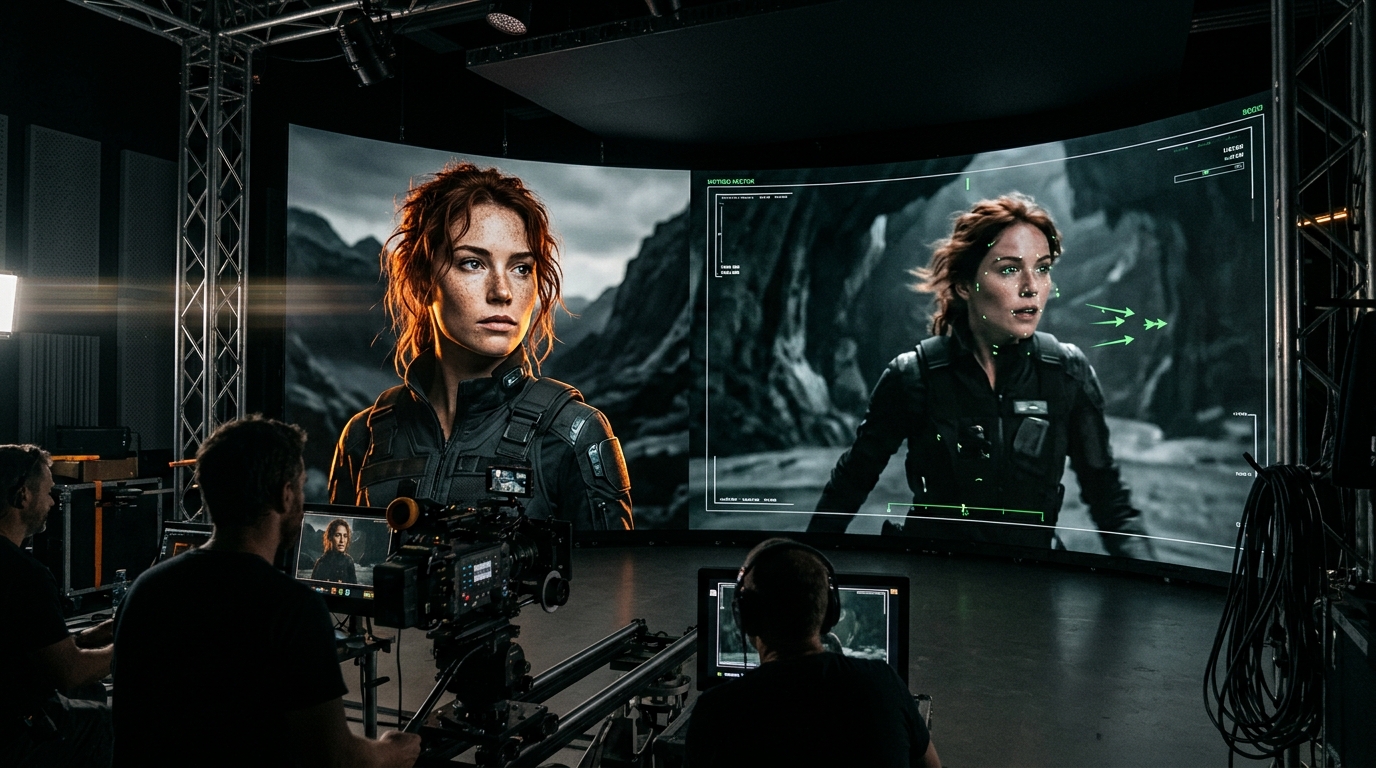
There’s a framed picture in Kavita’s hallway that nobody looks at anymore. It’s her parents on a beach, squinting at the sun, taken the year before she was born. Last month she wondered what it would look like if the waves just moved. So she searched for ways to animate a photo with AI, and found a studio built around exactly that.
Does it work on an old family picture? The page talks about animating keyframes and bringing your images to life, so the idea is built in. Below is a plain walkthrough of what DX Builder offers, with a short stop at text to video AI for the moments when no photo exists.
Start With the Picture You Have
The home page says you can animate your keyframes or bring your images and ideas to life, turning them into videos without much effort. In other words, a picture is a valid starting point, not a workaround. The same page mentions a selfie flow with three steps: upload, choose a world, then create, edit and post.
For Kavita’s beach picture, the first move is a clean upload. Sharp, well lit photos give an engine more to work with, and that’s common sense more than a rule from the page. If the original is faded, the Image Studio may help prepare a cleaner version first, which brings us to the next part.
Polishing Before You Animate
Image Studio as a Warm Up
The Image Studio combines DX Image with Google’s Nano Banana 2, aiming for hyper realistic results. The page says these images can work natively or as ignition keyframes for your final video pipeline. So a rebuilt, cleaner frame can become the starting point, with motion added afterward.
Controls in that studio include camera angle, view, lighting, environment, lenses, film and camera choices. Names on the page include Dutch angle, entire body, neon, volumetric, 8mm fisheye and CineStill 800T. For a gentle beach photo, soft lighting would make sense, though I’d keep the changes light so it still feels like her parents.
Keeping the Person Recognizable
Nobody wants a grandparent’s face to drift into someone else. The page lists character consistency as a strength, and a Characters section sits in the menu with a Character DNA feature. The FAQ says edits keep your character DNA, only resetting scenes with significant visual prompt changes.
That promise matters for emotional pictures. If Kavita tweaks the waves, her mother’s face shouldn’t change. Always check the first few seconds closely before sharing. If the face looks off, adjust the prompt or try another engine, since the studio offers several rather than one.
Picking the Engine and the Motion
The platform offers Seedance 2.5 Studio, a newer Wan 3.0 Studio marked NEW, and a general Video Studio with other engines. Different engines can interpret the same photo differently, so a couple of tries isn’t wasted effort. Kavita might try a calm version first, then a more cinematic one.
Camera motion is part of the controls too. Pan, tilt, zoom, tracking and crane shots are listed, so a slow push toward her parents could be described in plain words. For a quiet family picture, subtle usually wins. Big dramatic moves are fun for presets, but a hallway photo wants something gentler.
When There’s No Photo at All
Sometimes the memory exists but the picture doesn’t. A grandmother’s kitchen, for instance, never got photographed. That’s where text to video AI helps, because the studio supports text based routes too, including a PixVerse V6 Max option. You describe the scene, and the engine builds it from words.
It won’t recreate a real place perfectly, so I’d treat the result as a feeling, not a record. Many people would combine both methods: describe the kitchen in text, then animate a photo with AI of the person who stood in it. Credits are used per task, so keep each attempt short while you experiment.
Finishing Touches
After the clip works, sound makes it feel real. The audio studio uses MiniMax for voices and Suno for music, so a soft melody could sit under the waves. There’s also a Video Upscale studio in the menu for improving the final look, though the page gives few details beyond its name.
Free credits arrive on registration, with no automatic billing and no monthly subscription required. The meta description notes one free trial video in total, so choose your most meaningful photo for that first try. Kavita picked the beach picture, naturally.
Wrapping Up
A framed hallway picture can move now. Animate a photo with AI by starting from a clear image, polishing it if needed, and picking an engine and a gentle camera move. When no photo exists, text to video AI fills the gap. Start small and keep the face true.
FAQs
Can I animate an old photo?
The page says you can bring your images to life as keyframes. A clear, sharp scan will give better results.
Will the face stay the same?
Character consistency is a listed strength, and edits keep character DNA unless a scene changes a lot.
What if I only have a description?
Use a text route such as PixVerse V6 Max, which is a form of text to video AI.
Is there a free trial?
Yes, free credits come on registration, with one free trial video in total.
Comments
Post a Comment